ANERIS Final Annual Meeting: Insights and the Road Ahead
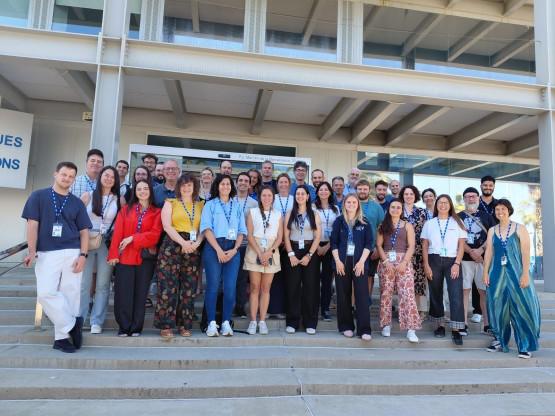
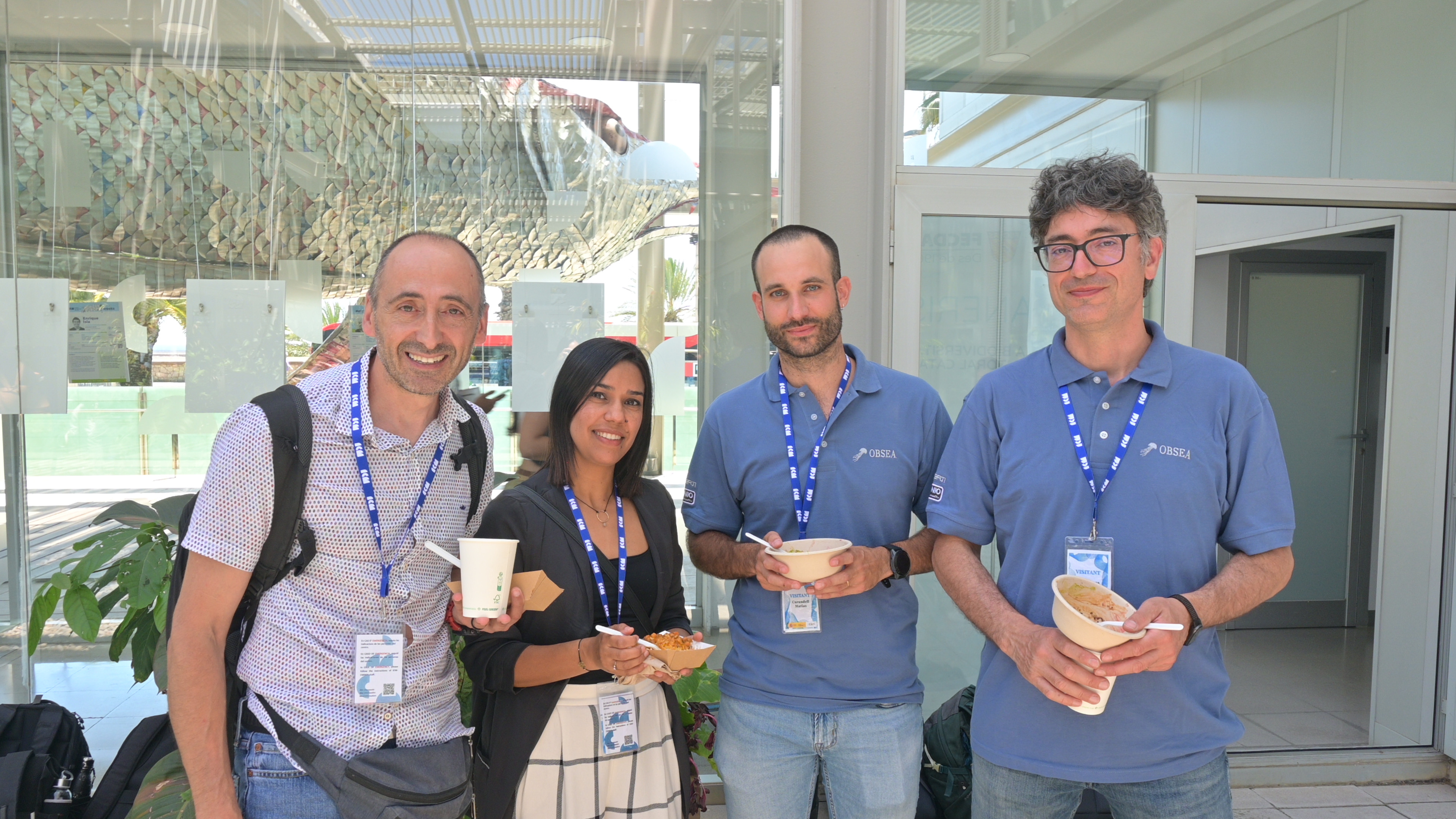
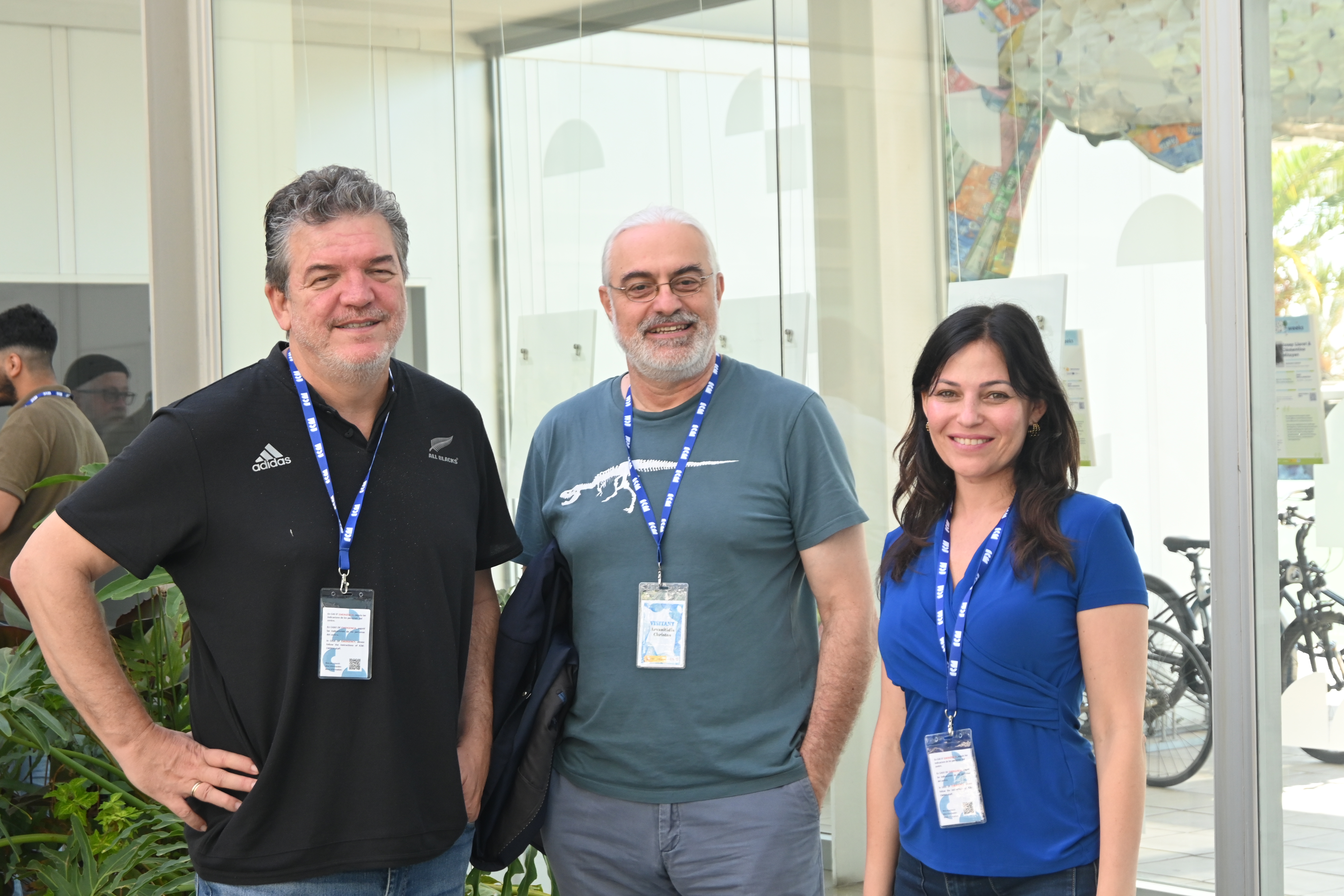
Last month, the ANERIS consortium held the very last Annual Meeting. It took place between 27th and 28th May, in Barcelona, Spain. The event gatherеd project partners for two exciting days of discussions, presentations and collaboration. All attendees had the chance to share key insights and project’s progress, as well as plan the road ahead.
The event was organised by the coordination institution, ICM-CSIC, and included presentations, showcasing ANERIS case studies’ latest updates, recent advancements and results.
 |
 |
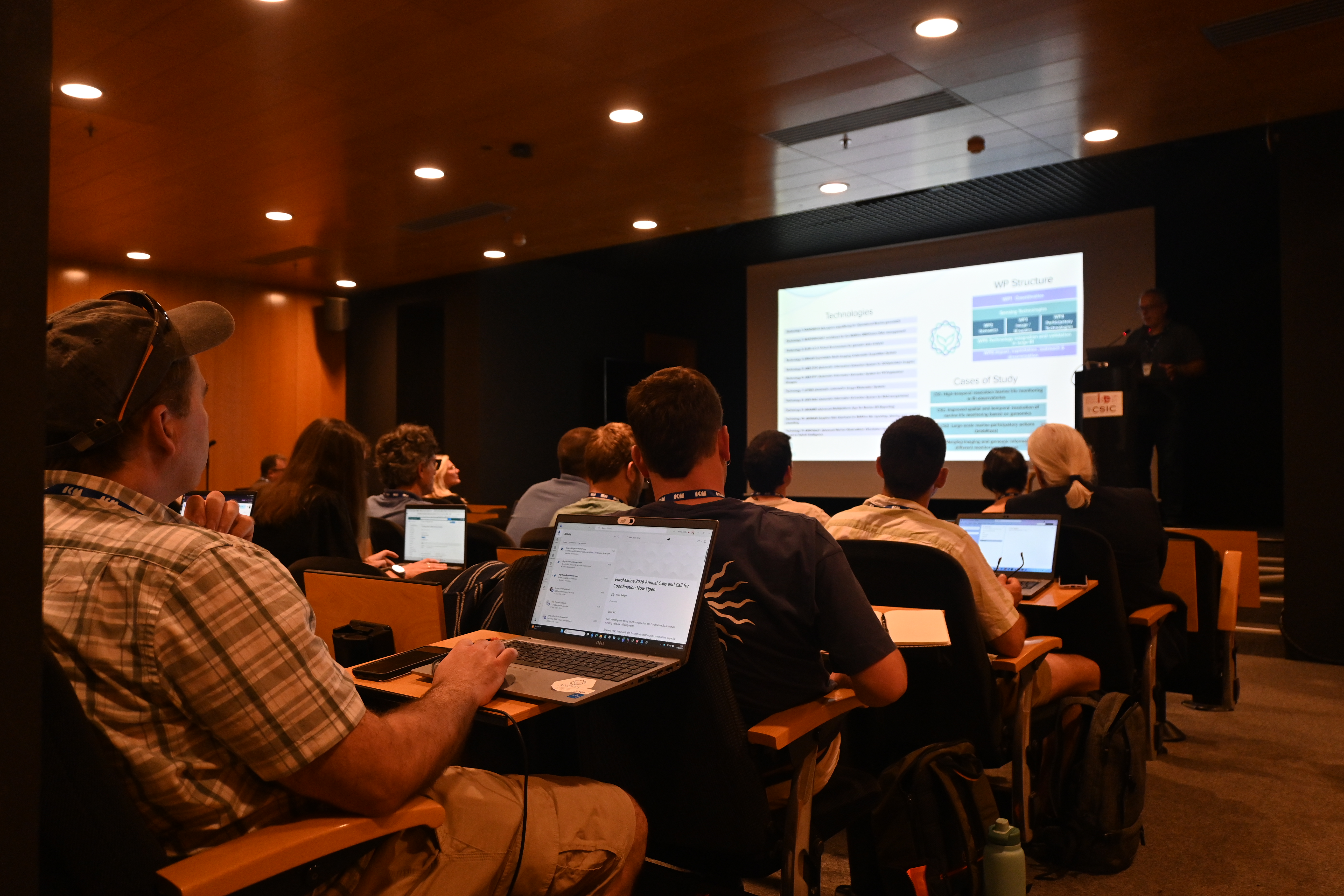
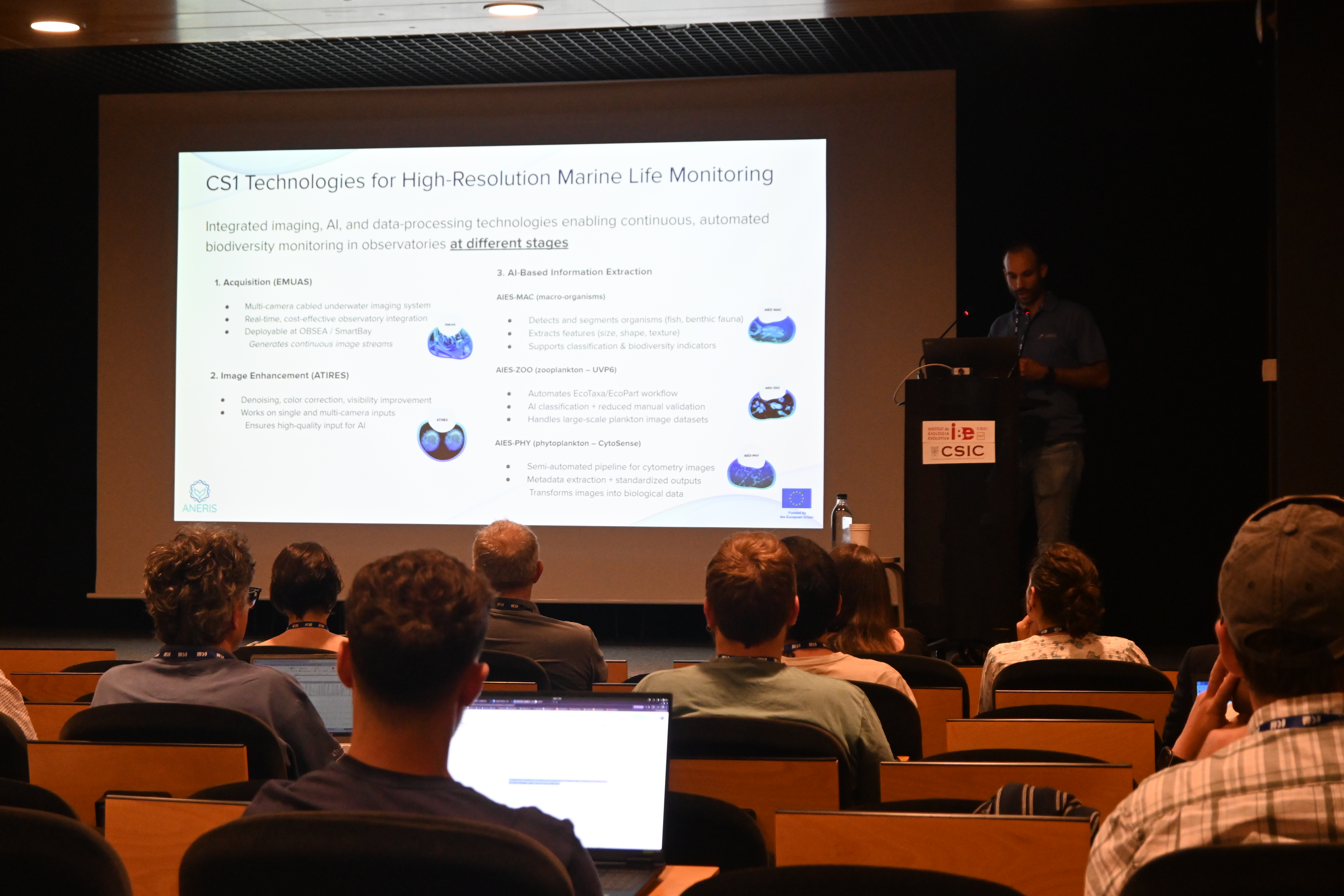
The meeting kicked off with a welcoming presentation by the project’s coordinator - Jaume Piera (CSIC), who highlighted ANERIS’ progress and achievements up to now. Piera also shared the project’s main expected outcomes and valuable feedback from the previous reporting period.
 |
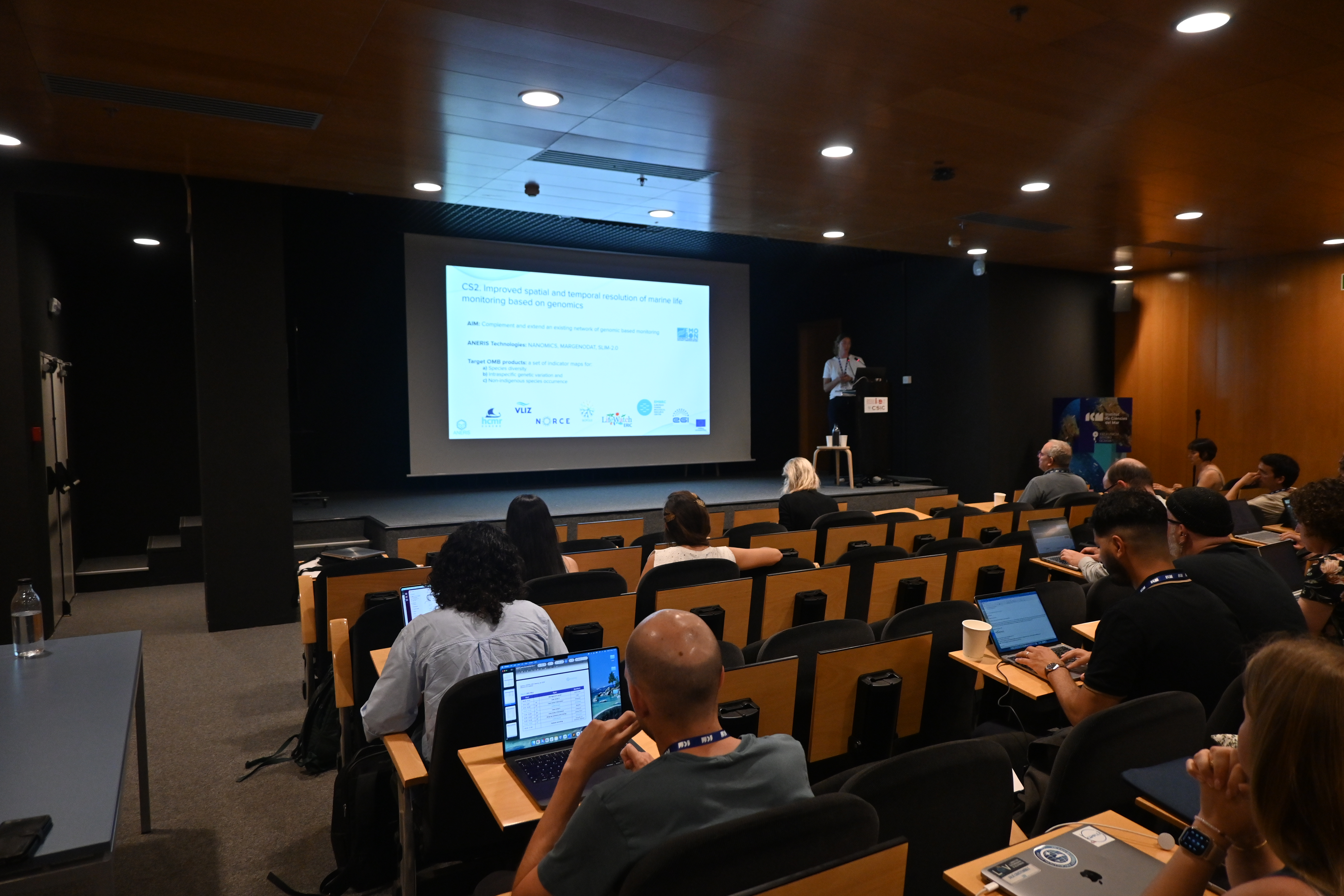
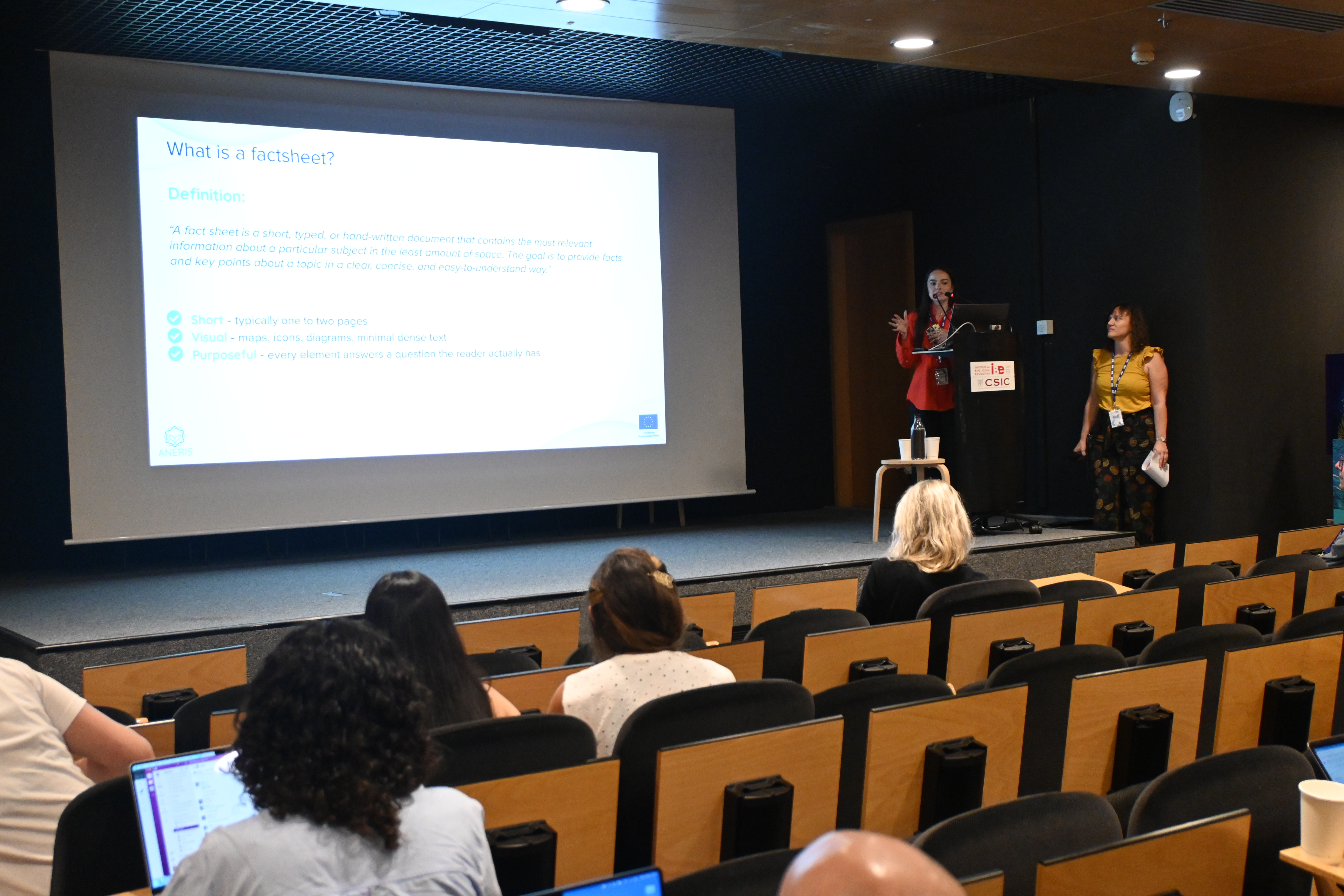
During the 1st day, ANERIS’ second Case Study was presented by a project partner from VLIZ, Hanneloor Heyndeickx, who introduced the technologies behind the case study: NANOMICS, MARGENODAT and SLIM 2.0. She shared insights on the deployment of new test sites, the ANERIS CS2 Campaign, as well as discussing topics such as the implementation of citizen science, and multidimensional scaling. The day finished with a co-designed session by Science for Nature and Pensoft Publishers, aiming to draft a structural framework that shapes the project’s factsheets.
 |
 |
 |
 |
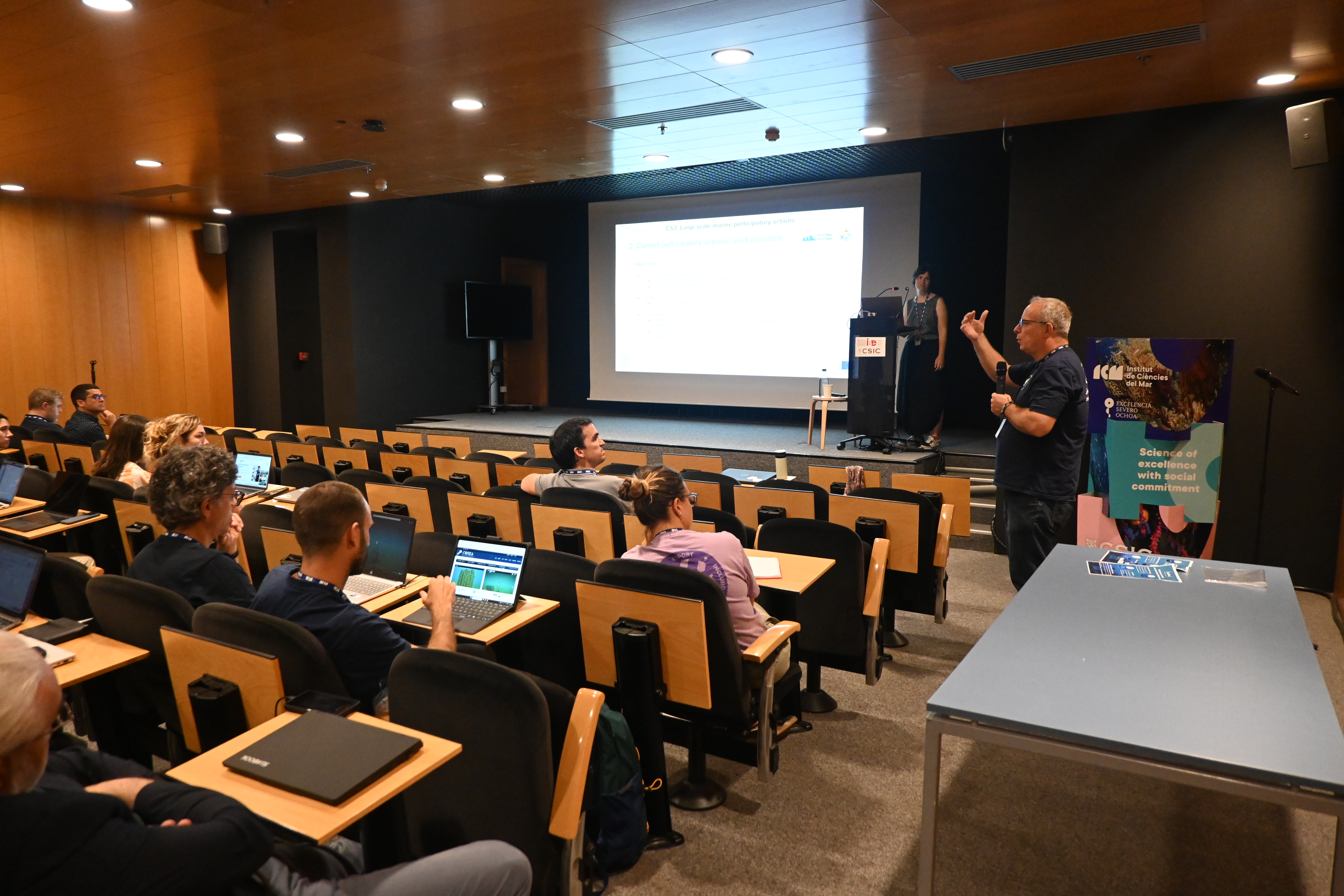
ANERIS’ case studies 3 and 4 were presented during the 2nd day of the meeting. To present case study 3, project partner Berta Companys, from ICM-CSIC, gave a presentation on current updates regarding technologies involved: AWIMAR, AMAMER, and AMOVALIH. Furthermore, Companys highlighted the important role of the MINKA observatory as a tool for marine data collection during the BioMARathons (Portugal and Catalonia).
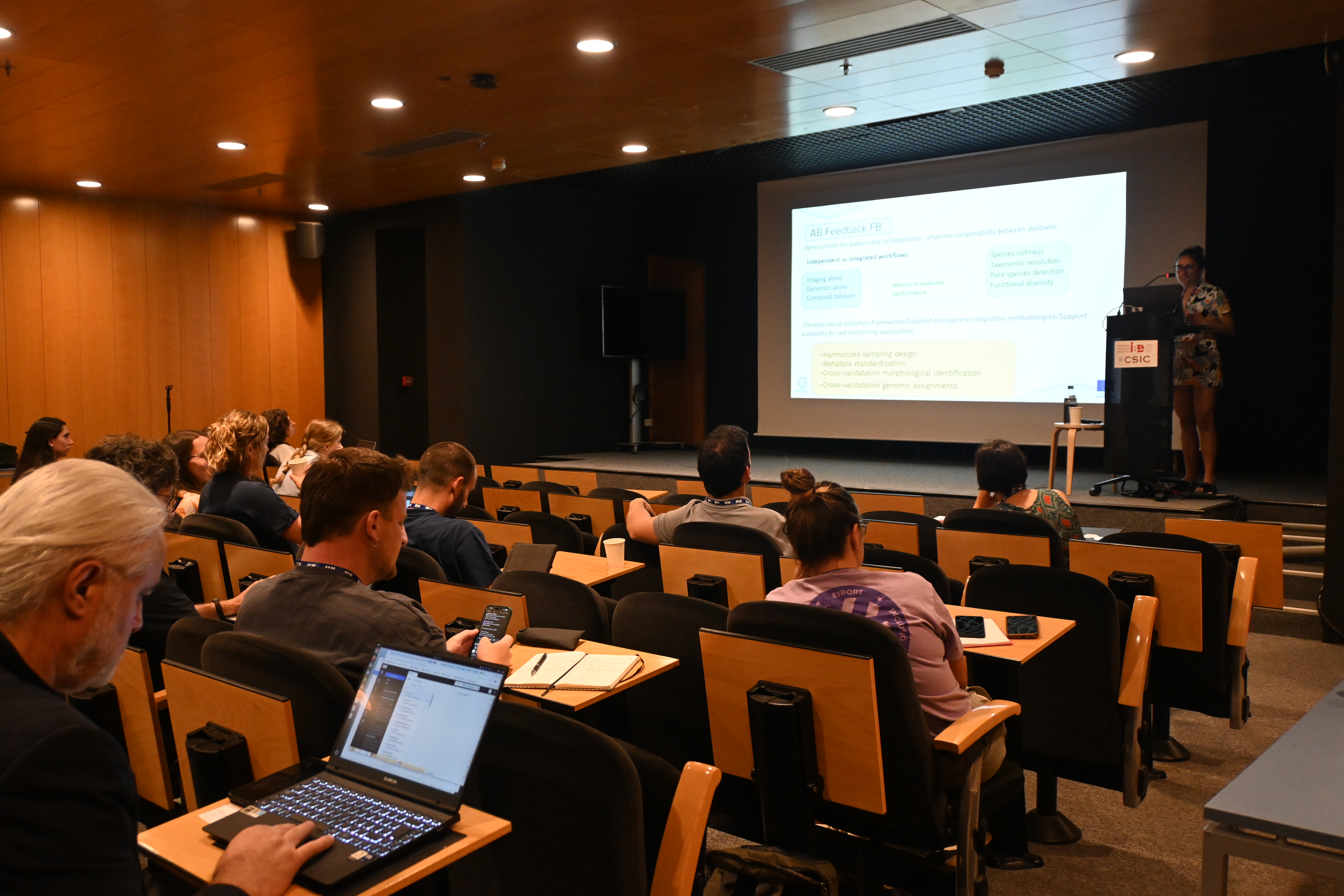
Case Study 4 was presented later that day, by project partner Rocio Aime Nieto Vilela, from BIOPOLIS-CIBIO. She highlighted many topics from the case study, such as: the coordinated eDNA sampling campaigns conducted in Northern Portugal and Catalonia, citizen science contributions through the MINKA observatory, and the integration of imaging and genomics for enhanced biodiversity detection and monitoring. Vilela also showcased the development of an integrated visualisation, comparing taxa distribution and combining multiple data streams in one interface.
 |
 |
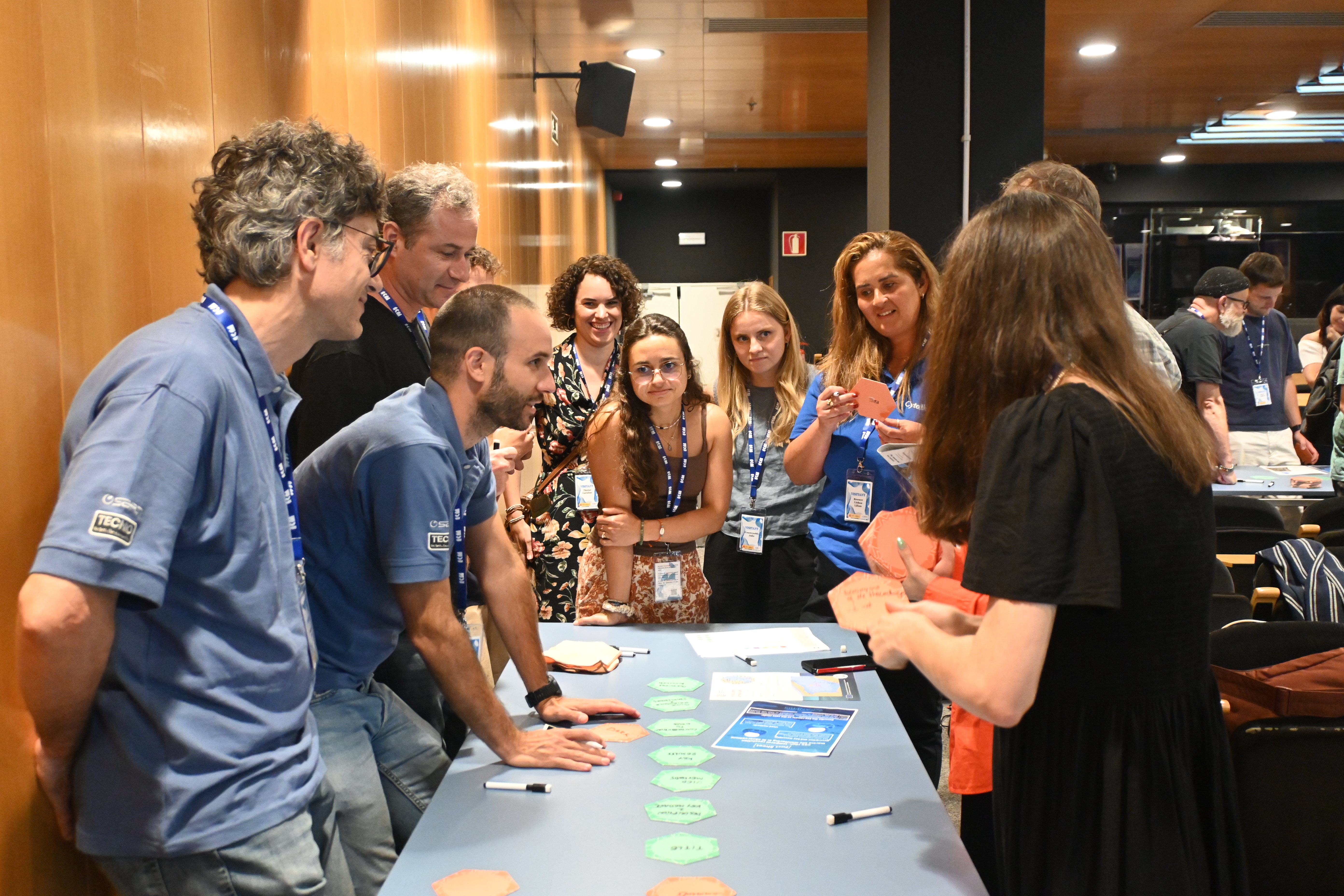
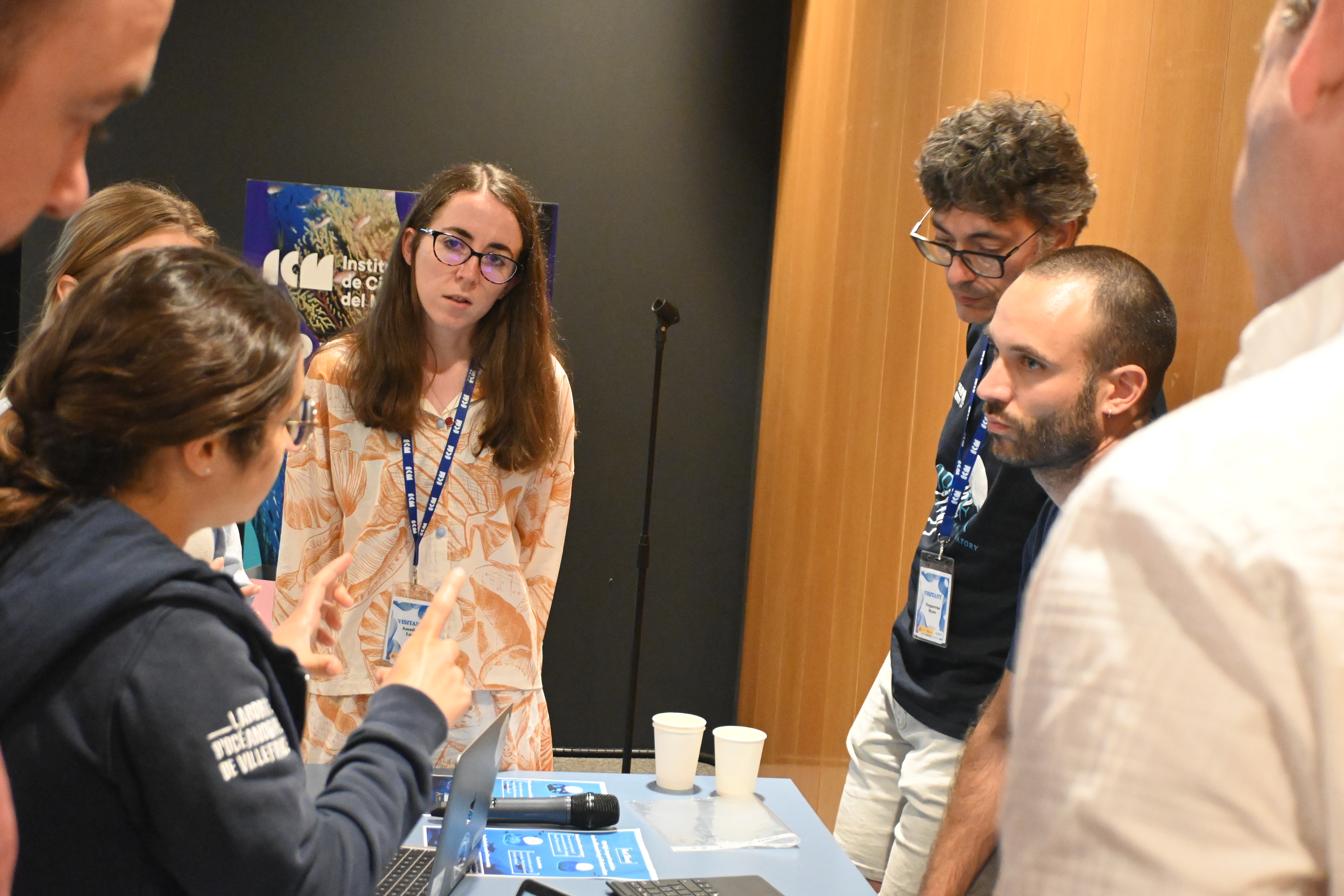
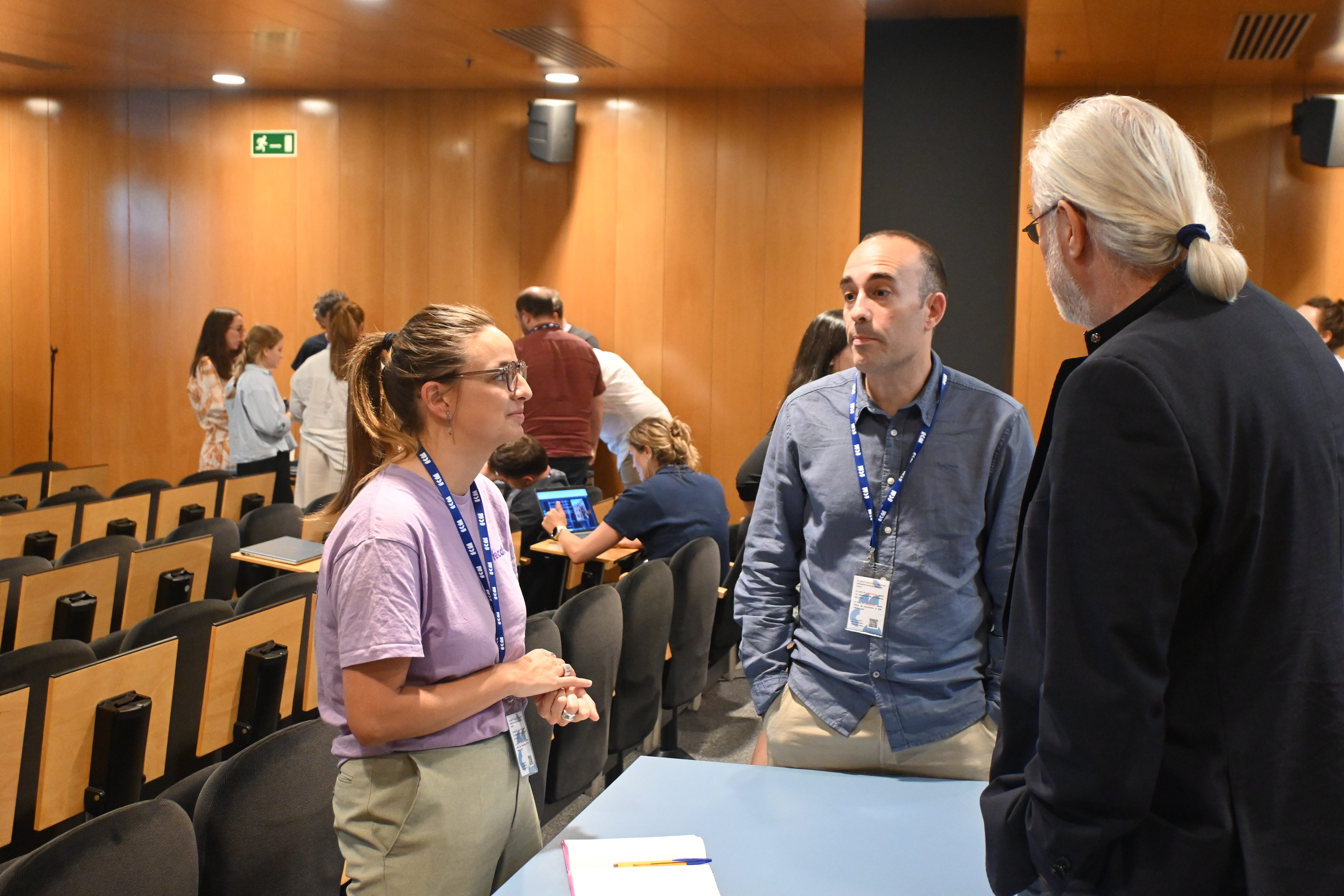
The second day ended with collaborative activities, with group works between all case studies, encouraging exchanging ideas, suggestions, feedback on the achievements so far, and planning of the road ahead. The achievements of the ANERIS consortium were highlighted at the end of the day, as final words by the project’s coordinator - Dr. Jaume Piera.
 |
 |
Since its start, ANERIS has had a remarkable run in the path of bettering marine biodiversity and encouraging citizen science. The project has gathered partners and turned connections from international colleagues to warm-hearted friendships. With final steps left until its end, ANERIS celebrates the achievements so far, in the smiles and proud faces of all hard-working researchers and scientists, behind each project idea and its execution.
Stay tuned for further updates.